

Equipment
We own the full cycle — design, manufacturing, deployment, field support. So we can adapt tools to project conditions, iterate fast, and deliver a predictable result.
Engineering & modeling
We model the run for the specific well — all constraints, all risks — and turn that into a configuration you can trust.
Field support
Our engineers are on site during the run. We track placement, adjust scenarios on the fly, and document the outcome.
SSTR equipment
// FRS
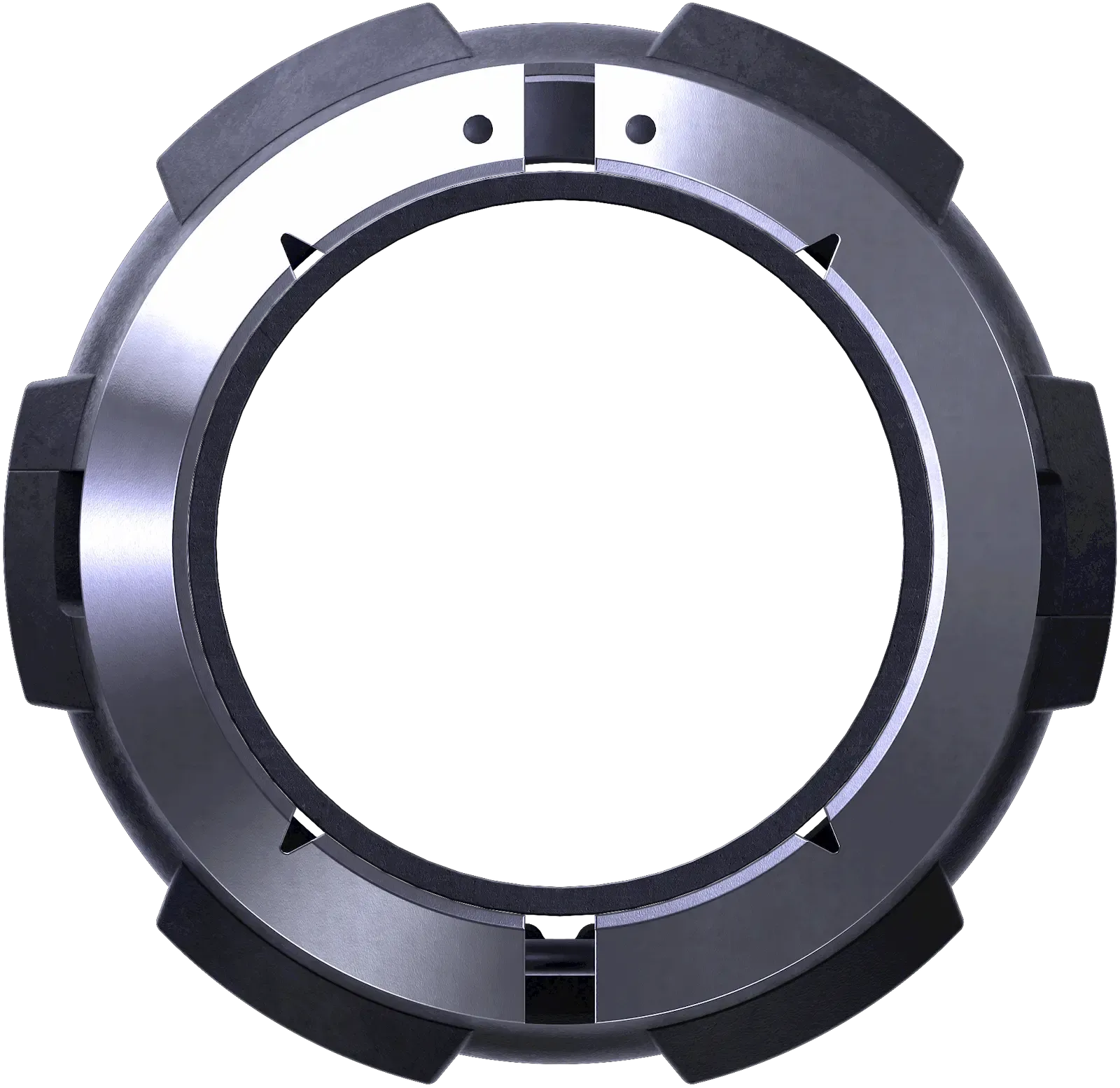
Frameless composite friction reducers. Installed on the drill pipe in zones of maximum side load. The pipe rotates inside a stationary composite sleeve pressed against the wellbore wall.
- 01
ERD — long horizontal intervals (1,500–3,500 m)
- 02
S-shape and directional wells with DLS > 4°/30 m
- 03
Drilling with a mud motor where WOB drop is a risk
- 04
Make-up torque or hook load on POOH constraints
// SVR
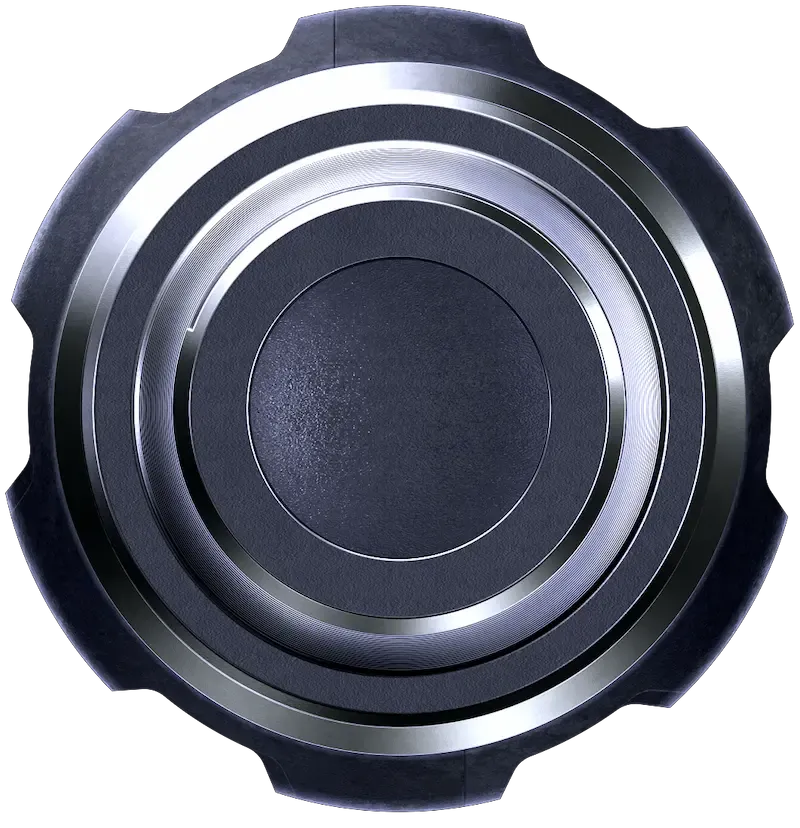
Shock and vibration reducer for the BHA. Wear-resistant composite sleeves stay stationary against the wall; the sub rotates inside.
- 01
High BHA vibrations when drilling with RSS in abrasive formations
- 02
Stick-Slip with sharp torque spikes
- 03
Protect MWD/LWD from shock and vibration loads
- 04
Drilling with PDC bits where cutter chipping is a risk
// X3
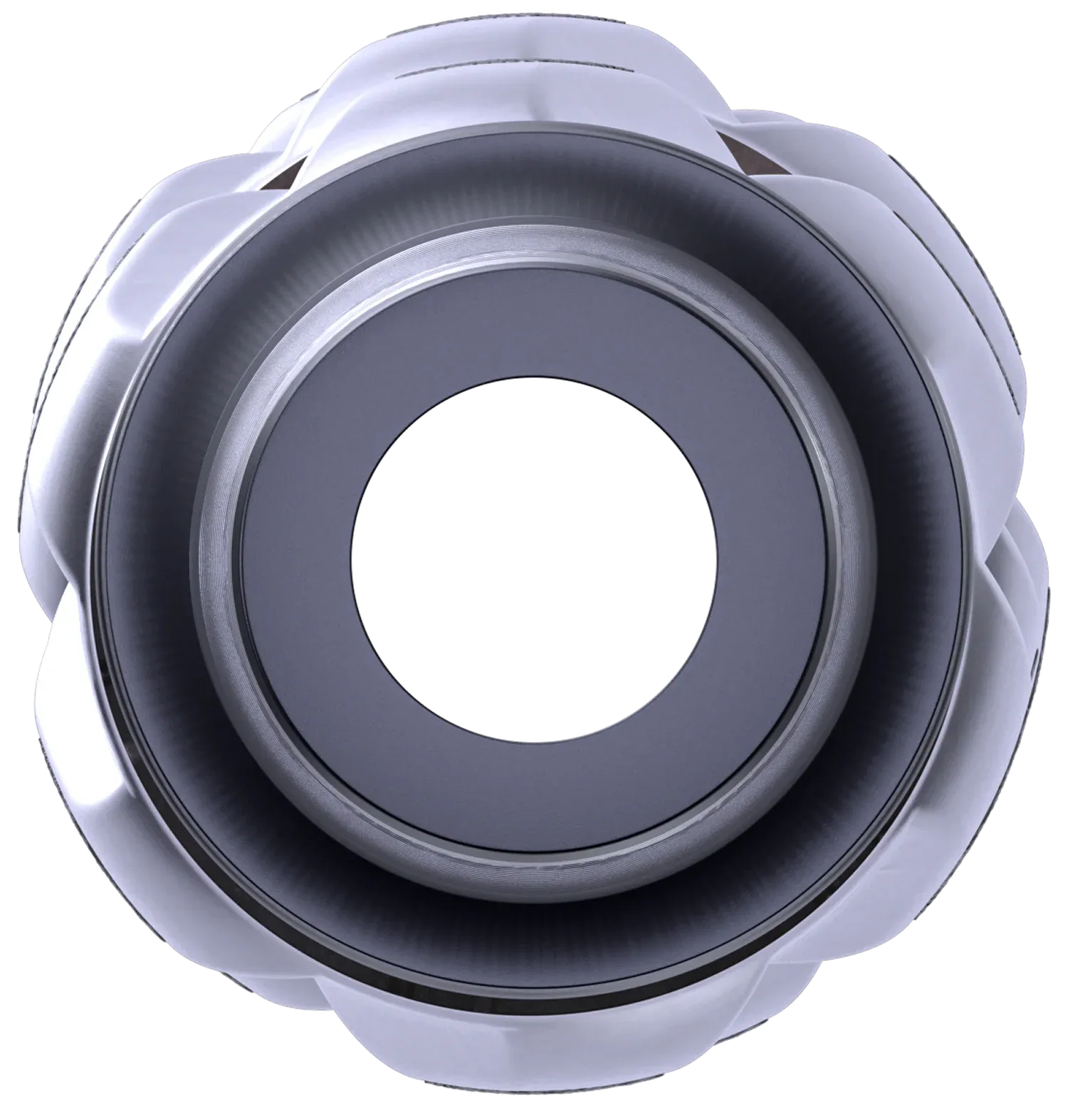
X3 multifunctional sub with stabilizer sections. Mid-length variant (1,225 mm). Runs in the BHA only — no surface Transfer sections — to suppress stick-slip and axial shocks at the bottom of the string.

- 01
BHA only — no surface Transfer sections
- 02
Drilling with high WOB
- 03
Suppress stick-slip and axial shocks at the bottom of the string
- 04
Protect PDC bits from cutter chipping
Case studies
FRS
Hor 90° · Western Siberia
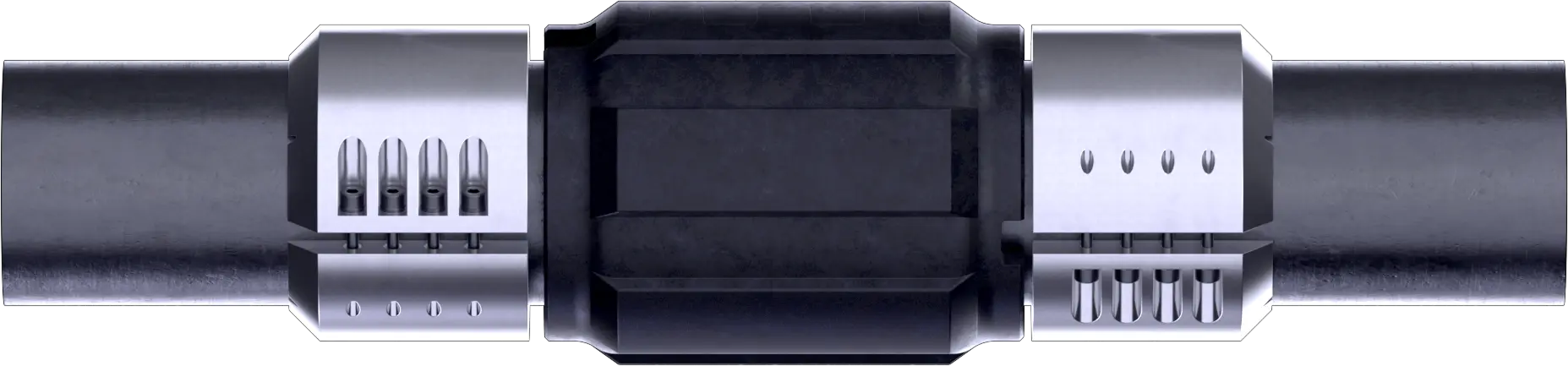
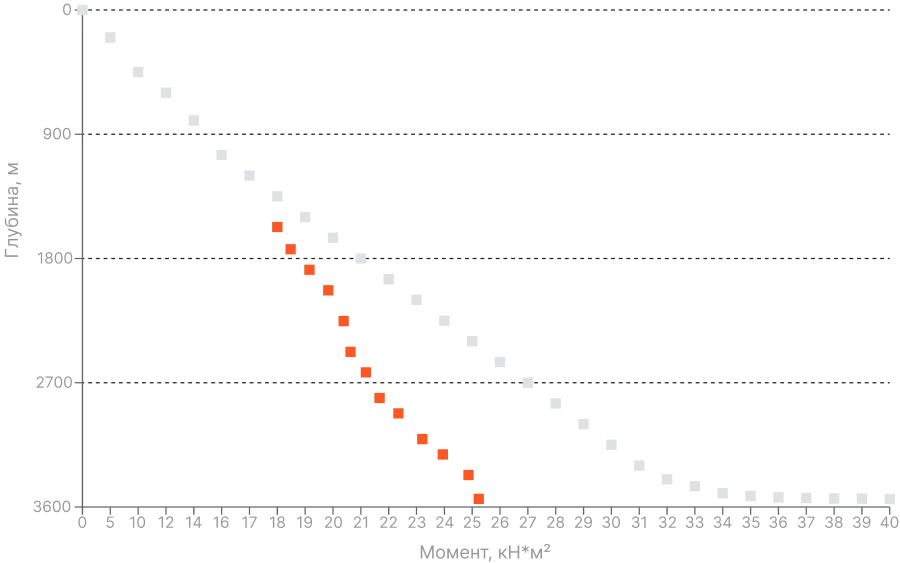
−33% torque, −33 t on POOH, +13 t on slack-off. Actual μ ~0.17 vs 0.25–0.30 forecast.
FRS
Hor 90° · Eastern Siberia
Oscillator dropped. HD 2,661 m (actual) vs 2,096 m (no-FRS forecast). −19% torque, −14 t.
Trusted by






Run the numbers on your well
Send your well data and constraints — we'll run T&D modeling and come back with a configuration and the expected impact.